

Rap Up the Legal Drama

A person in a checkered shirt gestures with their hands while speaking in a meeting. An open laptop displaying colorful graphics, a notepad, and a smartphone are in the foreground on a wooden table. Another person is blurred in the background.
Internet libel

Although the right to freedom of speech is a protected principle, a court of law may determine whether or not the spoken opinions of one party have infringed upon the rights of an impacted individual. Cardi B, for example, fought back after a celebrity gossip blogger, Tasha K, posted videos that implied that the rapper was employed as a prostitute and used heavy street drugs. While this was the opinion of the blogger, who posted the videos to her YouTube account, there are potential limitations between exercising the First Amendment and exhibiting defamatory behavior. Since filing her defamation lawsuit in 2019, Cardi B has been awarded around $4 million.

Searching for Resolution

A person typing on a laptop with a blurred computer screen in the background. The image focuses on the hands and keyboard, suggesting a work or study environment.
Just Google it

Google may list an additional antitrust lawsuit to its resume of accomplishments, as three states and the District of Columbia have filed claims, alleging that the technology company deceived users into believing that they could disable location tracking functions. Despite viewing the message that “You can turn off Location History at any time. With Location History off, the places you go are no longer stored,” Google users were apparently tricked into revealing more of their data. From 2014 to 2019, Google used the collected data for advertising purposes and profited from the deception.

Facebook Settles for a Brighter Future

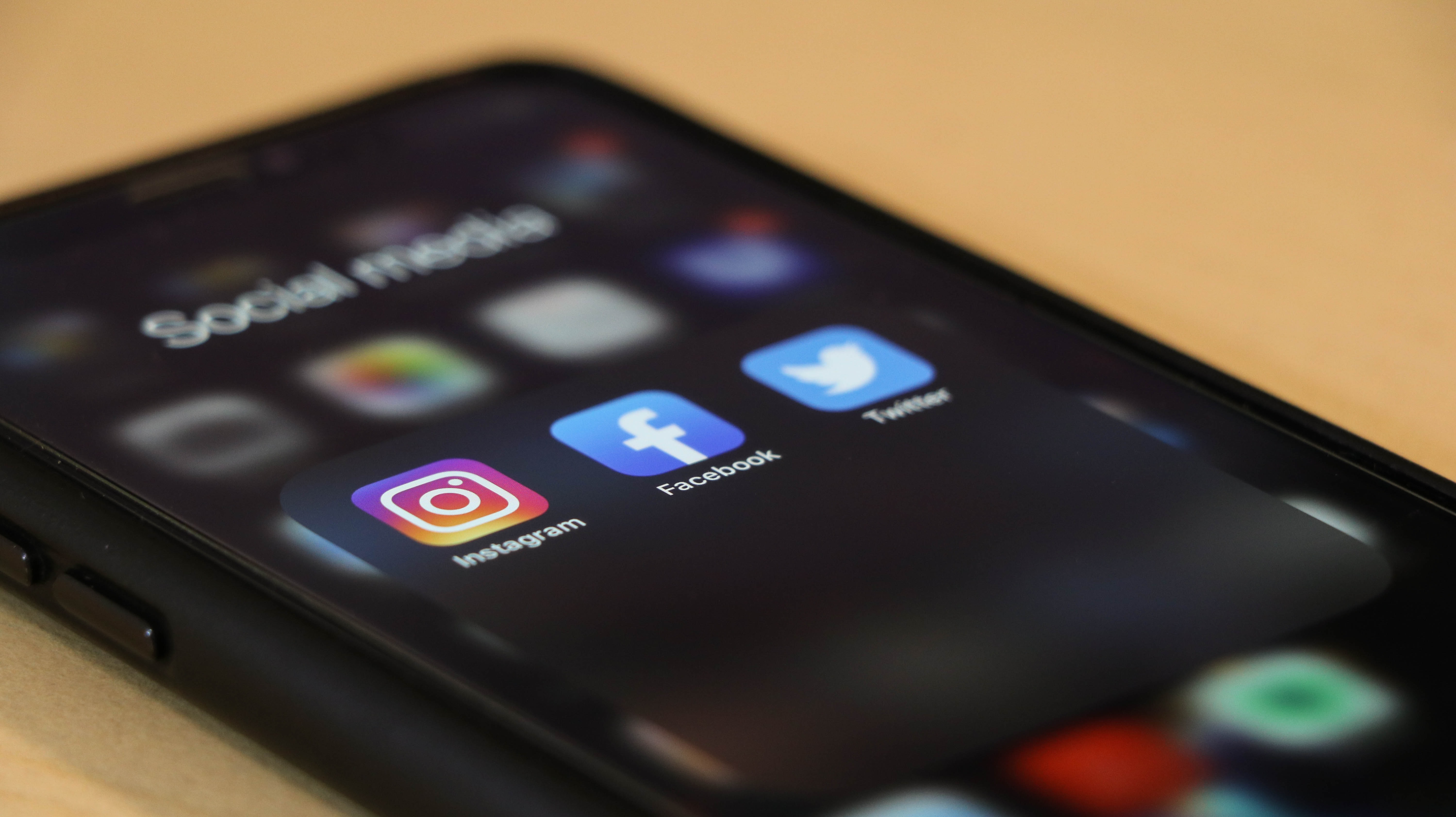
A smartphone screen displaying a folder labeled "Social media" with icons for Instagram, Facebook, and Twitter. The phone is angled slightly and has a dark background.
Recognize this?

Illinois Facebook users are finding some relief in the most recent legal settlement against the social media company.  According to Illinois law, companies may not collect facial recognition information and data without prior consent of the detected individual.  One of Facebook’s features tags photos through the use of software that distinguishes facial similarities.  The lawsuit reached class action status and was originally filed in 2015.  Claimants argued that Facebook did not obtain prior authorization of Illinois residents who use Facebook.  Instead the social media company implemented the feature as a default for users.