

Amazon is the Prime Option

A person with pink nail polish holds a smartphone in one hand while resting the other on a laptop keyboard. A USB drive is plugged into the laptop, and both devices are on a wooden table.
Antitrust arguments

To receive fast, convenient access to countless products and digital streaming, consumers may consider Amazon as the prime option. The benefits offered by Amazon extend beyond the consumer-driven perks, and also include opportunities for retailers and suppliers to sell their products on the platform. Despite these incentives, the DC Attorney General has recently filed a lawsuit against the e-commerce company, citing antitrust claims. According to the filing, Amazon has developed into a monopoly that manipulates pricing options for consumers. The company has achieved this position by entering contractual agreements with its third-party sellers. Specifically, the contracts dictate that in order to participate on the platform, the sellers are forbidden from offering lower prices or improved purchase terms on any other websites, including their own personal sites.

Company Insures a Settlement Option

A person with red nail polish types on a laptop keyboard. A stethoscope rests on the wooden desk beside the laptop, suggesting a medical or healthcare-related context.
Healthcare hiccup

The main purpose of antitrust laws in the United States is to encourage competition among businesses and help eliminate monopolies. The intent is to allow consumers the opportunity to decide which business or distributer best meets their needs. Otherwise, consumers may be left with limited options and may become victim to destructive business practices. Recently, the announcement of the $2.7 billion settlement between claimants and Blue Cross Blue Shield relates to antitrust laws and violations of fair competition. Policyholders who may be eligible to receive a piece of this class action lawsuit include those who were covered by Blue Cross Blue Shield plans from February 2008 to October 2020.

Tech Trouble Ends in Settlement

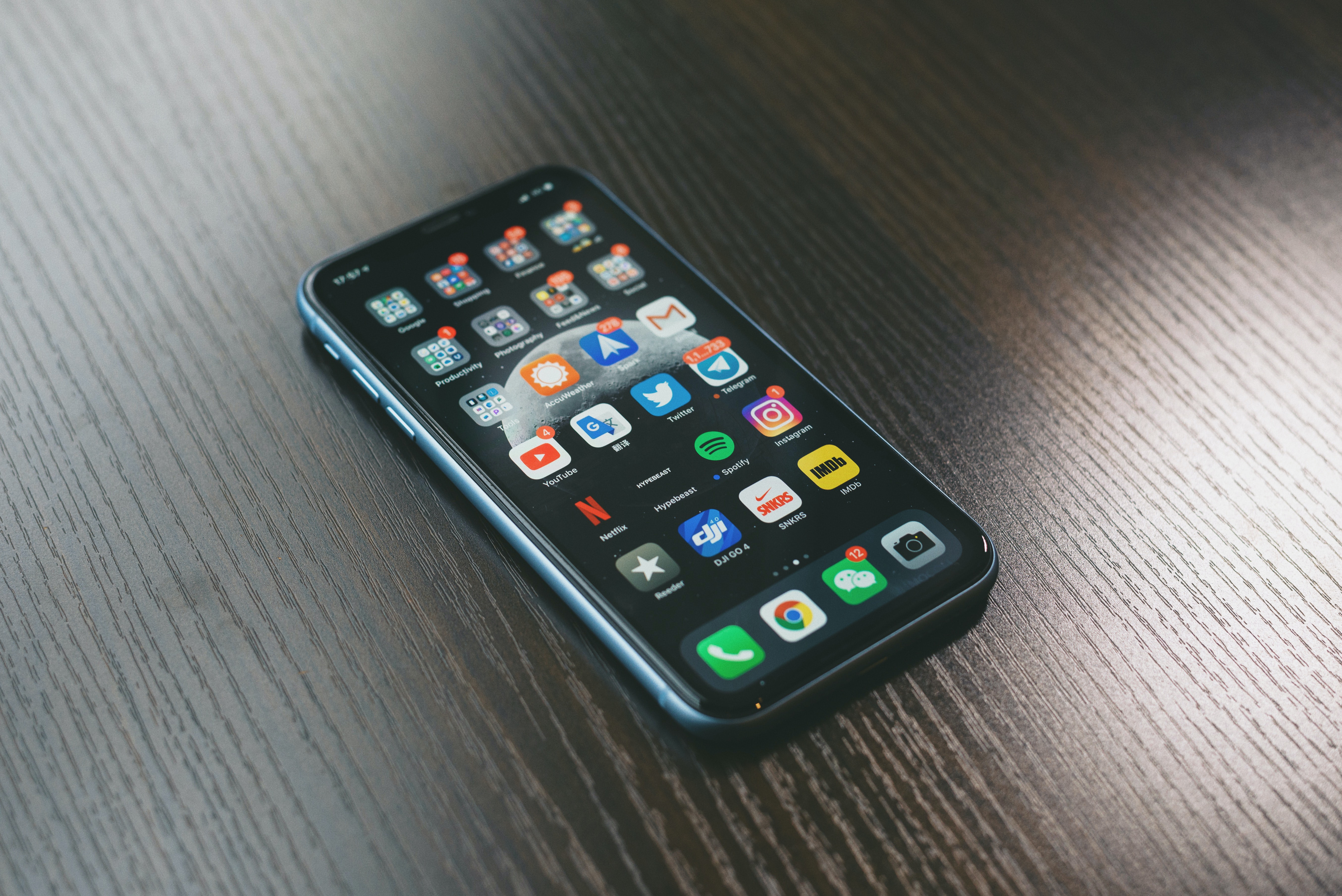
Smartphone lying on a wooden table with its screen facing up, displaying various app icons such as Netflix, Instagram, and Gmail. The phone has a black case and is tilted to the right.
Invasion of privacy?

Concerning a prior consumer complaint, which accused Facebook of violating an Illinois privacy law, a settlement has been reached and approved by a judge. According to the lawsuit, without the permission of users, Facebook has used facial-recognition technology to help tag photos on profiles. The lawsuit was initially filed in 2015 in Illinois, where state privacy laws specifically forbid this type of biometric collection and storage of data without the consent of members. Since the lawsuit began, Facebook has altered its technology and has also been ordered by a judge to pay $650 million in compensation.

New Type of Class Action

Close-up of a white computer keyboard featuring the QWERTY layout. The keys are slightly angled, highlighting the F, G, H, T, and Y keys.
Issues from A to Z

In 2020, after facing allegations that the company was purposefully slowing down iPhones, Apple entered a $113 million settlement with 34 state attorneys general. The tech company denied liability in the case and maintained that the software updates were meant to correct prior issues with older lithium-ion batteries. Since that class action ended, Apple has upgraded to a new class action lawsuit involving its butterfly keyboard. This month, a judge approved the class action status of the lawsuit, recognizing that the issue is similar, if not the same, for most affected customers.

Don’t Stop the Game

A person views a financial chart on a laptop screen. The chart features various lines indicating stock market trends. The laptop is on a table by a window, with sunlight filtering through blinds.
Taking from the rich…

The stock trading and investing app, Robinhood, has developed into one of the most popular broker-dealer platforms. Aside from its “commission-free” marketing, the benefits include easy accessibility and your first stock free! About a month ago, however, consumers learned of the downsides to using Robinhood. At least 90 lawsuits have been filed against the company for restricting trade of specific securities, including GameStop. Consumers claim that the perceivably unlawful act of the company has caused financial hardship and unfair, lost opportunities for a potentially profitable investment.