

Tackling a New Lawsuit

A football player in a maroon uniform tackles a player in a white and red uniform, both wearing helmets, on a grassy field during a game. Spectators and players are blurred in the background.
Football fumble

Following a sideline injury sustained in Game 6 of the regular season, Denver Broncos linebacker, Aaron Patrick, has filed a lawsuit. In the argument, Patrick alleges that the decision to cover media wires on the sideline with a cheap mat created a dangerous situation for players and was the primary cause of his injury. While a majority of NFL injuries take place on the field, Patrick tore his ACL after trying to avoid the media. His cleat became lodged in a carpet that has been compared to mats used in restaurant kitchens.

Cooking Up a Class Action

A clear glass bowl filled with creamy macaroni and cheese. The pasta is topped with a sprinkle of seasoning, giving it a slightly golden hue. The background is softly blurred, emphasizing the dish's texture and color.
Deceptive packaging

Within the realm of seemingly frivolous lawsuits, the recent claim filed by a Florida mac and cheese consumer may offer valid points of contention. According to her argument, under the guise that the food is prepared in 3.5 minutes, Kraft Heinz Company has sold a competitively higher priced selection of mac and cheese cups to its consumers. For eight 2.39 ounce cups, the product, Velveeta’s Microwavable Shells and Cheese Cups, is valued at $10.99. The consumer contends that, had she known the true timeframe of food preparation from start to finish, she might not have elected to purchase a pricier mac and cheese option.

Swing in the Legal Direction

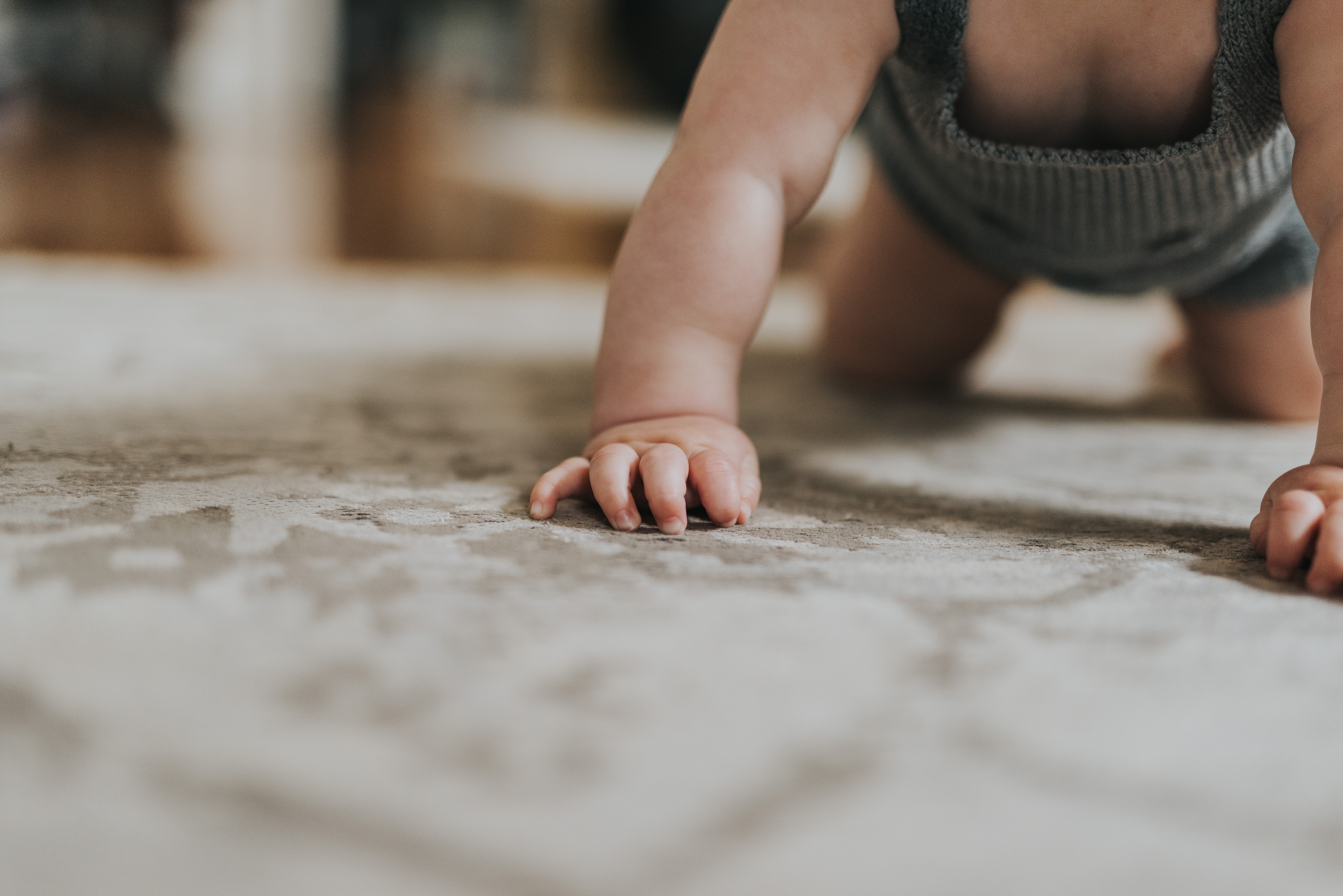
A baby wearing a gray outfit is crawling on a light-colored carpet. Only the arms and upper torso are visible, with focus on the baby's hand touching the floor. The background is softly blurred.
Crawling to resolution

Consumers of MamaRoo or RockaRoo baby swings may be entitled to compensation, as a class action has been filed following an August recall. After receiving reports of one 10-month-old infant passing away from asphyxiation and another 10-month-old suffering from bruising around the neck, 4moms, the manufacturing company, pushed for the recall. According to the complaint, the hazards presented do not necessarily impact the infants that may be strapped into the swings, but do create an unsafe environment for crawling infants or toddlers. The straps are designed to hang below the seat, where they are within reach of a child that is on the ground.

Dressing Up a New Code

Three hands holding different beverages: two cups of latte with leaf patterns in the foam, and a glass of iced coffee. They are clinking their drinks together over a wooden table. Black saucers are visible in the background.
Coffee code

Nashville hot chicken, New Orleans beignets, Chicago deep-dish pizza, and Seattle coffee are some of the most well known regionally accredited delicacies in the United States. The method of delivery or presentation is often synonymous with its consumable counterpart. About a half hour from Seattle, a town called Everett, Washington is known for its drive-up coffee shacks, as well as a recent court ruling that admonishes a dress code impacting these establishments. In response to the 2017 passing of the code, employees, referred to as bikini baristas, filed a lawsuit, citing constitutional violations and an attack on women’s rights.

Authors Subjected to Dispute

A large, wooden bookshelf filled with a diverse collection of books in various colors and sizes, tightly organized. The shelf spans the entire width of the image, showcasing an extensive library collection.
Writers turn the page

Authors are weighing in on the lawsuit between publishers and the Internet Archive, which purchases books for digital lending. While certain authors are standing in support of traditional libraries, they are also acknowledging dissimilarities between Internet Library and brick and mortar book lending. Internet Archive, however, has compared its services to that of a library, equipped with limitations of use. Publishers, such as Hachette Book Group, HarperCollins Publishers LLC, John Wiley & Sons Inc. and Penguin Random House, have accused the non-profit organization of committing copyright infringement and capitalizing the authors’ market for their e-books.