

1991 Album Faces the Money

Clear blue water in a swimming pool, with sunlight creating wavy patterns and reflections on the surface. The water appears bright and inviting, showcasing various shades of blue.
Pool of surprises

Among Nirvana’s studio records, perhaps one of the most iconic covers is printed on the “Nevermind” album. Although this was not their first album, it served as their breakthrough and reason for reaching the top of the charts in the early 1990’s. While “Nevermind” helped define Nirvana’s future in the music industry, it also eventually led to the band’s recent involvement in a federal lawsuit, in which the baby on the cover, who is now 30 years old, is suing for exploitation. He is holding several parties accountable for advertising and profiting from an album that illustrates an indecent photograph of a 4-month-old baby in a pool.
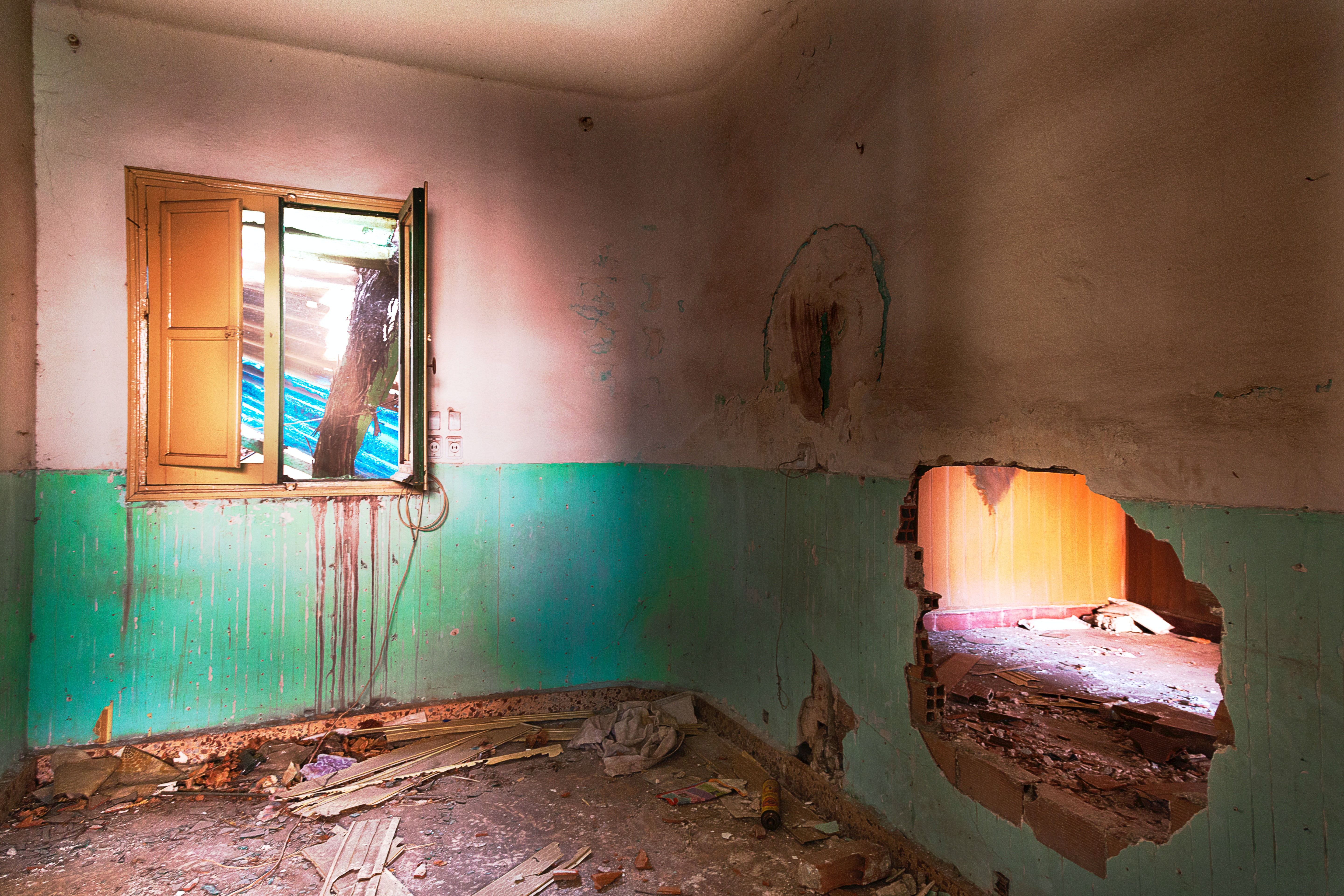
Pitt Needs to Make It Right

A damaged room with peeling teal paint and a large hole in the wall. An open window with broken shutters is on the left. The floor is cluttered with debris, and sunlight filters in, casting shadows on the walls.
Constructing a sound lawsuit

Brad Pitt is in the spotlight again, and the reason is something other than promoting a new movie. A lawsuit filed on behalf of several victims of Hurricane Katrina are taking action against Pitt and his charitable organization, Make It Right.  In an effort to assist those devastatingly impacted by Hurricane Katrina, Pitt’s foundation built homes to replace the structures lost in the hurricane.  According to the lawsuit, the homes constructed by the organization are quickly deteriorating.  Although many victims are left to live in homes that are apparently unlivable, Brad Pitt is denouncing all responsibility and involvement in the alleged neglect.

Enter Walmart for Melons, Leave with a Broken Hip

Close-up of several fresh green watermelons with a textured rind, displaying light stripes and speckles. They are piled closely together, filling the frame of the image.
Shoppers beware

Based on the evidence presented by opposing parties, a jury is faced with the dilemma of determining whether a particular lawsuit is frivolous or legitimate. The 1994 McDonald’s coffee lawsuit paved the way for public speculation of seemingly litigious lawsuits. The black and white version is that a customer sustained permanent injuries and someone had to pay the consequences. The gray line was left for the jury to determine: whether or not the customer or McDonald’s was negligent in the situation. In that particular case, the jury felt that the fast food chain carried the burden of responsibility more so than the injured party. A similar decision was met in the recent case of Henry Walker vs. Walmart.