

Statistics Reveal Surprisingly Few DUI Arrests In Boston

A long-exposure photo of a night scene, creating abstract streaks of light on a dark road. Bright orange and white lights stretch horizontally, resembling motion blur in a dynamic, surreal display.
DUI

A recent and surprising story from the Boston Globe discussed what appears to be an abnormally low number of drunk driving arrests reported in a major American city. Numbers obtained by the Boston Globe revealed that police in Boston only made 241 drunk driving arrests in all of 2012, shocking numbers given Boston’s rank as the 10th largest metro area in the country.

The number of DUI arrests in Boston is confusing given that it not only pales in comparison to the numbers for similar sized and even smaller cities, but also because it reflects a dramatic drop from numbers seen only a few years ago. The data revealed that since 2009, the number of drunk driving arrests in the city have dropped by an astounding 33 percent.

The Legal Issues of Death

A wooden hourglass with blue sand sits tilted on a bed of small, smooth stones. The background is softly blurred, giving a sense of calmness and the passage of time.
Time is ticking

Death isn’t simple. The period prior to one’s passing may involve a great deal of prolonged, complicated preparation for the event, and once one dies, a series of legal issues need to be addressed and resolved to settle even the simplest of estates. The death of almost every adult in the United States will generate the need for someone to take care of the decedent’s personal finances, handle asset and, possibly, probate issues in addition to burial arrangements.

The executor of an estate may need to work closely with insurance agents, bankers, employers, stockbrokers, accountants, lawyers, funeral directors and government agencies such as Social Security. In some cases, the list of parties with which to deal will prove even more extensive.

Field Sobriety Tests in Tennessee Go Under the Microscope

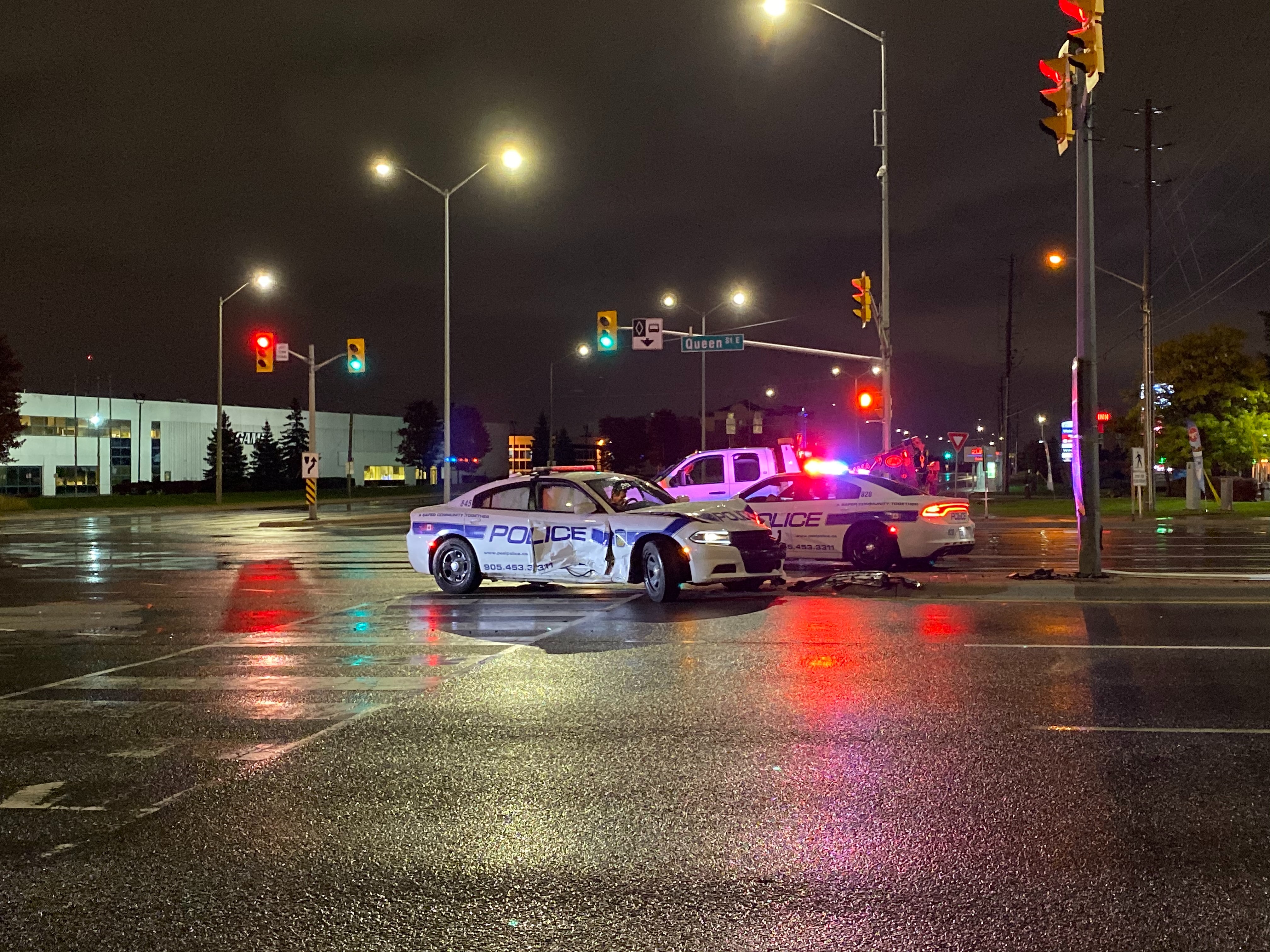
A nighttime scene showing two police cars involved in a collision at an intersection. Traffic lights are visible, and the ground is wet, reflecting red and blue emergency lights.
DUI

A recent case working its way through the court system in Tennessee got some national attention given the important impact the decision might have. The highest court in Tennessee has agreed to hear a case, State of Tennessee v. David Dwayne Bell, concerning the weight that should be given to the performance on field sobriety tests by a driver, especially those that indicate sobriety.

The roots of the important decision go back to 2009 when David Bell was arrested for drunk driving in East Tennessee despite having passed a battery of field sobriety tests with flying colors.

Bell was spotted late one night driving on the wrong side of the road, something he said he did because of nearby road construction which caused him to miss his turn. The officer pulled Bell over and administered a series of six standard field sobriety tests. Bell passed each one. Despite this, Bell’s admission that he had indeed consumed a beer that evening was enough to have the officer arrest him and take him to have a blood test done to officially determine his BAC. The test results showed that Bell was indeed legally intoxicated, with a BAC of 0.15. The issue that has been successfully raised by Bell was whether the officer had the necessary probable cause to place Bell under arrest in the first place.

Public Intoxication: Broad Category, Fine Line

Close-up of sandy beach surface with natural wave-like patterns created by the wind. The texture is highlighted by light and shadow, showcasing the serene and undisturbed nature of the sand.
Fine line

Public intoxication is not exactly related to Rochester DWI offenses. However, it is possible for someone charged with a DWI, or even a passenger in their vehicle, to be charged with public intoxication.

Public intoxication laws are often quite broad. There have been a number of cases where protocol and specific provisions were questioned because law enforcement entered into establishments which served alcohol and arrested patrons on the spot. Most attorneys would agree that, in such cases, a fine line is crossed.

Public intoxication laws should, and typically do, apply to the aftermath of imbibing, including actions and events occurring once the person has left the establishment in which alcohol was served. In some states, the laws can become complicated here because of social host liability, etc. However, public intoxication is a matter of being and acting intoxicated and impaired in public, typically by causing a public disturbance of some sort.

Skateboarder Charged With DUID

A skateboarder performing a trick on a concrete ledge. The skateboard has a teal deck, and the wheels are brown. The background shows a smooth, orange-toned surface. The skater is wearing blue shoes and black pants.
Skateboarder

This news story comes from the State of Oregon and was reported by CBS News. According to a representative from the Salem Police Department, a 20-year-old skateboarding male sustained serious injuries in a collision with a van, but is fortunately expected to survive.

Reports state that at around 5 p.m., the skateboarder rolled onto the street and veered straight into a 1997 Ford Econoline van’s path.

The skateboarder, who was not wearing a helmet at the time of the incident, was taken to a hospital nearby to treat his lacerations and broken bones. It was here he was cited for Driving while Under the Influence of Intoxicants (aka DUID or Drugged Driving), as well as for a minor in possession of alcohol.