
The Legal Issues of Death

A wooden hourglass with blue sand sits tilted on a bed of small, smooth stones. The background is softly blurred, giving a sense of calmness and the passage of time.
Time is ticking

Death isn’t simple. The period prior to one’s passing may involve a great deal of prolonged, complicated preparation for the event, and once one dies, a series of legal issues need to be addressed and resolved to settle even the simplest of estates. The death of almost every adult in the United States will generate the need for someone to take care of the decedent’s personal finances, handle asset and, possibly, probate issues in addition to burial arrangements.

The executor of an estate may need to work closely with insurance agents, bankers, employers, stockbrokers, accountants, lawyers, funeral directors and government agencies such as Social Security. In some cases, the list of parties with which to deal will prove even more extensive.

Public Intoxication: Broad Category, Fine Line

Close-up of sandy beach surface with natural wave-like patterns created by the wind. The texture is highlighted by light and shadow, showcasing the serene and undisturbed nature of the sand.
Fine line

Public intoxication is not exactly related to Rochester DWI offenses. However, it is possible for someone charged with a DWI, or even a passenger in their vehicle, to be charged with public intoxication.

Public intoxication laws are often quite broad. There have been a number of cases where protocol and specific provisions were questioned because law enforcement entered into establishments which served alcohol and arrested patrons on the spot. Most attorneys would agree that, in such cases, a fine line is crossed.

Public intoxication laws should, and typically do, apply to the aftermath of imbibing, including actions and events occurring once the person has left the establishment in which alcohol was served. In some states, the laws can become complicated here because of social host liability, etc. However, public intoxication is a matter of being and acting intoxicated and impaired in public, typically by causing a public disturbance of some sort.

All You Need to Know About Bankruptcy Counseling

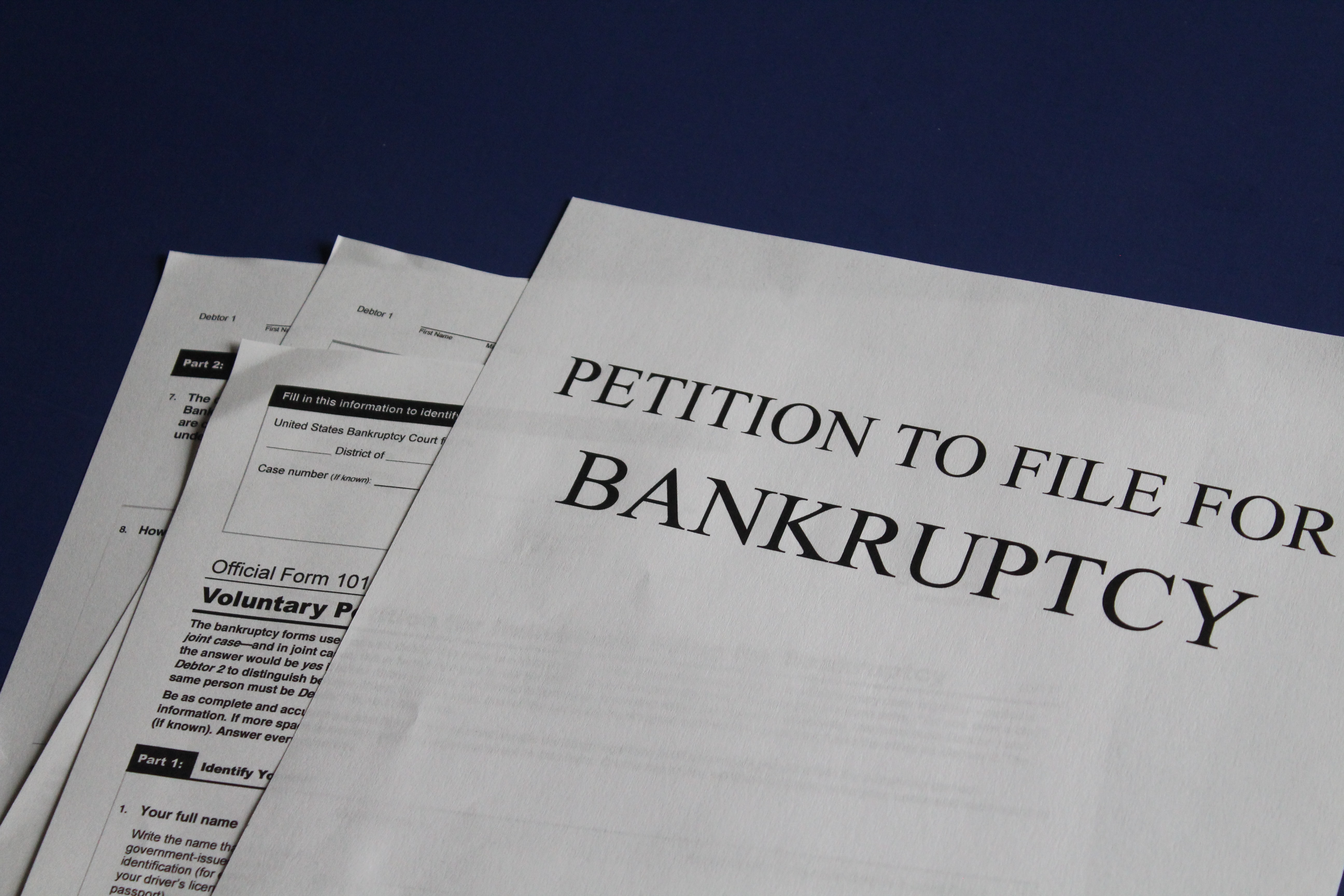
A stack of documents related to filing for bankruptcy is laid out on a dark blue surface. The top page prominently features the words "PETITION TO FILE FOR BANKRUPTCY.
I do declare

Bankruptcy should be the last option for you when find no other alternative to pay down the outstanding debts. Filing bankruptcy is an important financial decision of your life that may affect your economic condition badly.

As such, it’s important that you know about the consequences of filing bankruptcy. You may seek help from a bankruptcy counselor to know more about this process. Bankruptcy counseling is offered to the individuals who face financial crisis so that they can understand their options in a better way and, in turn, get rid of debt problems.

Any individual thinking to file bankruptcy should know about the process properly. There are different chapters of bankruptcy that you can file. Each of them has different requirements and resulting consequences. Bankruptcy counseling will help the individual know if bankruptcy is the right decision for their situation. It may also help you find ways to avoid bankruptcy that created problem initially.

What is the Difference between DUI and DWI?

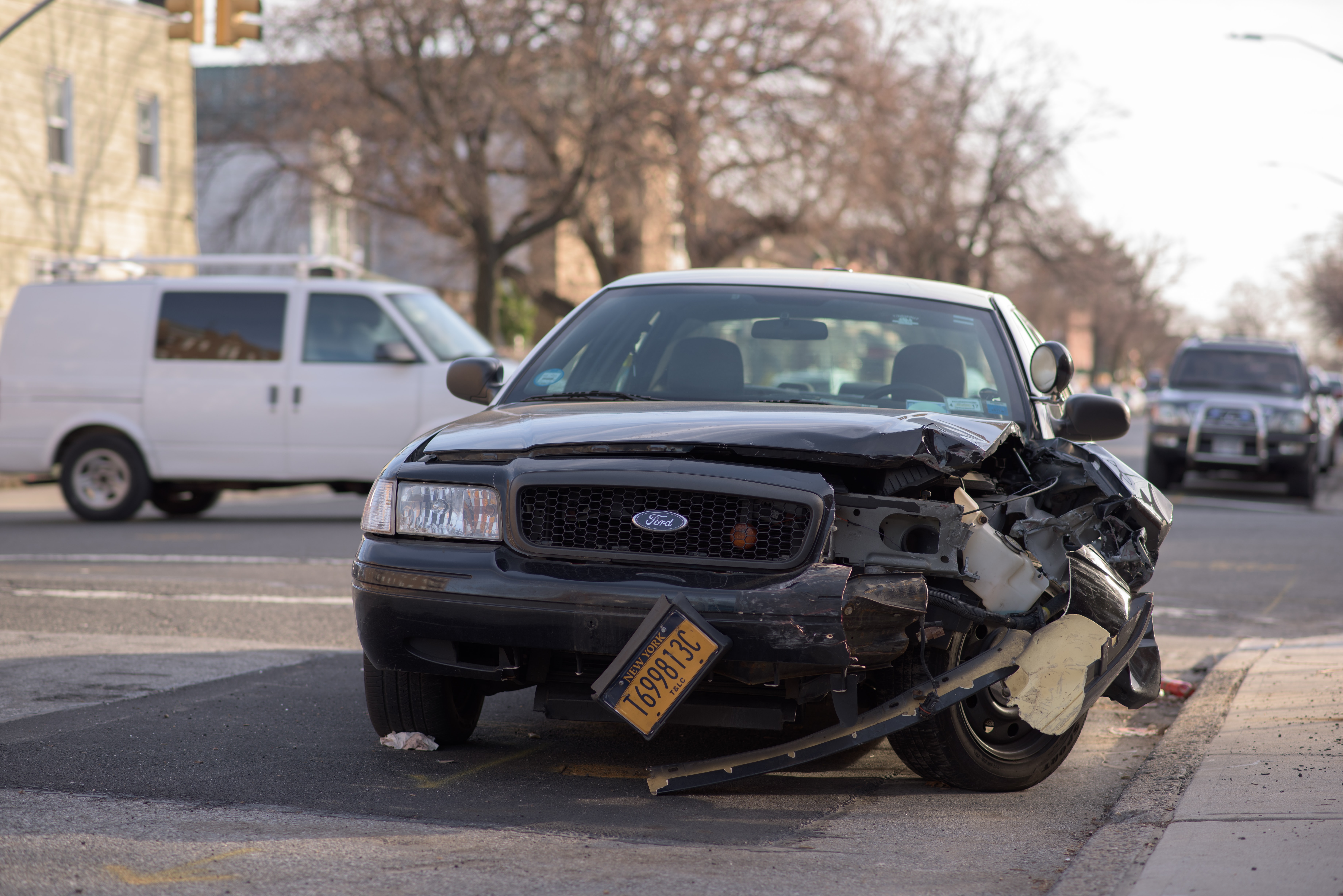
A black car with significant damage to the front right side and a bent license plate is parked on the street. A white van and other vehicles are in the background, and trees line the road.
DUI v. DWI

Different states use various letter designations for the spectrum of alcohol and substance related driving offenses committed within their borders. New York recognizes DWI (Driving While Intoxicated), DUI (Driving Under the Influence), DWAI (Driving While Ability Impaired (by alcohol)), and DWAI /drugs (Driving While Ability Impaired (by a substance other than alcohol)). New York also prosecutes for Chemical Test Refusal and underage drinkers with a BAC of 0.02% or more, based on the Zero Tolerance law.

One question that often comes up is the difference between DUI and DWI. After all, both charges involve operating a vehicle while under the influence of drugs, alcohol, or any other mind-altering substance. Yet, there are some differences in the two charges.